English
English · 33 articles
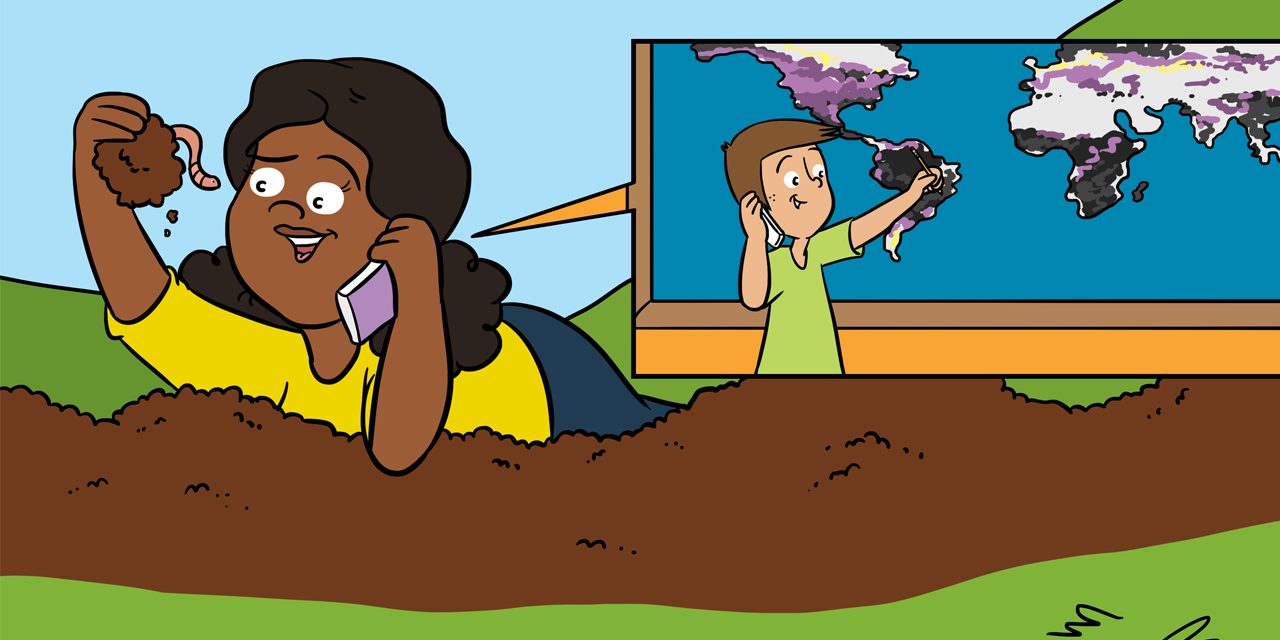
For decades, scientists have known where the highest numbers of species that live aboveground are found. So, they made maps of the world showing these patterns. For most of the aboveground groups, the highest numbers of species occur in the tropics and numbers decrease toward the poles. However,
2026-02-16 📄 View PDF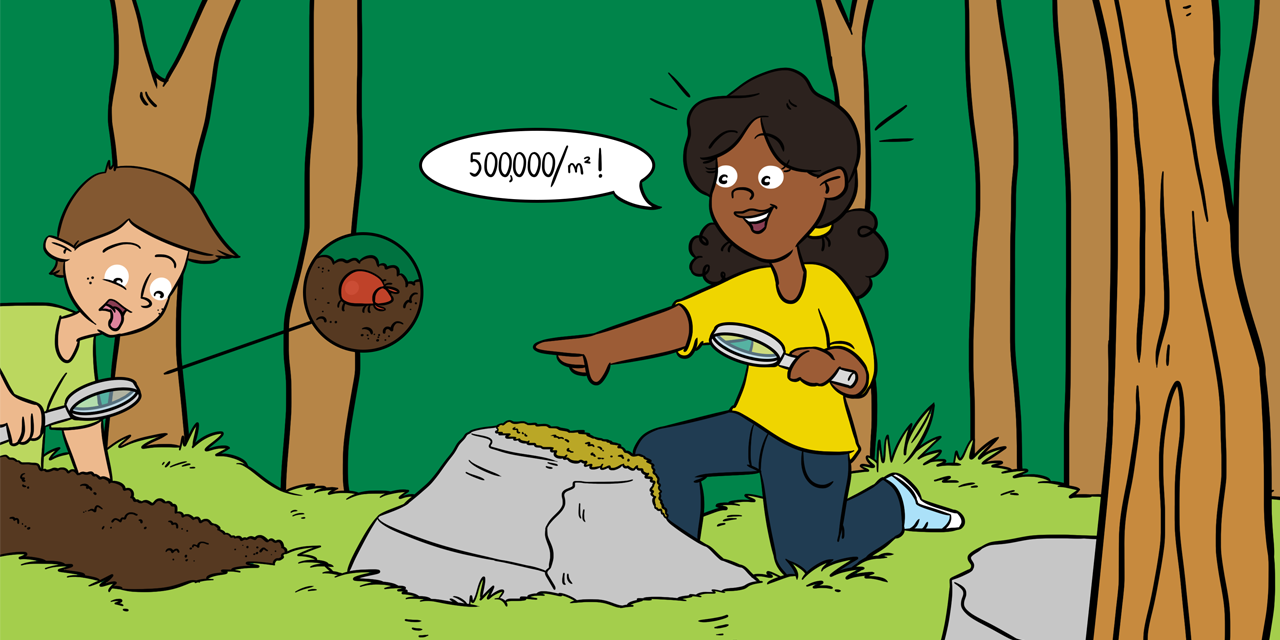
Oribatid mites (formal name: Suborder Oribatida) are animals related to spiders, scorpions, and ticks, as they also have eight legs (Figures 1, 2). While many people are fearful of spiders, scorpions, and ticks, oribatid mites are not a concern for the health of humans and are actually beneficial,
2026-02-16 📄 View PDF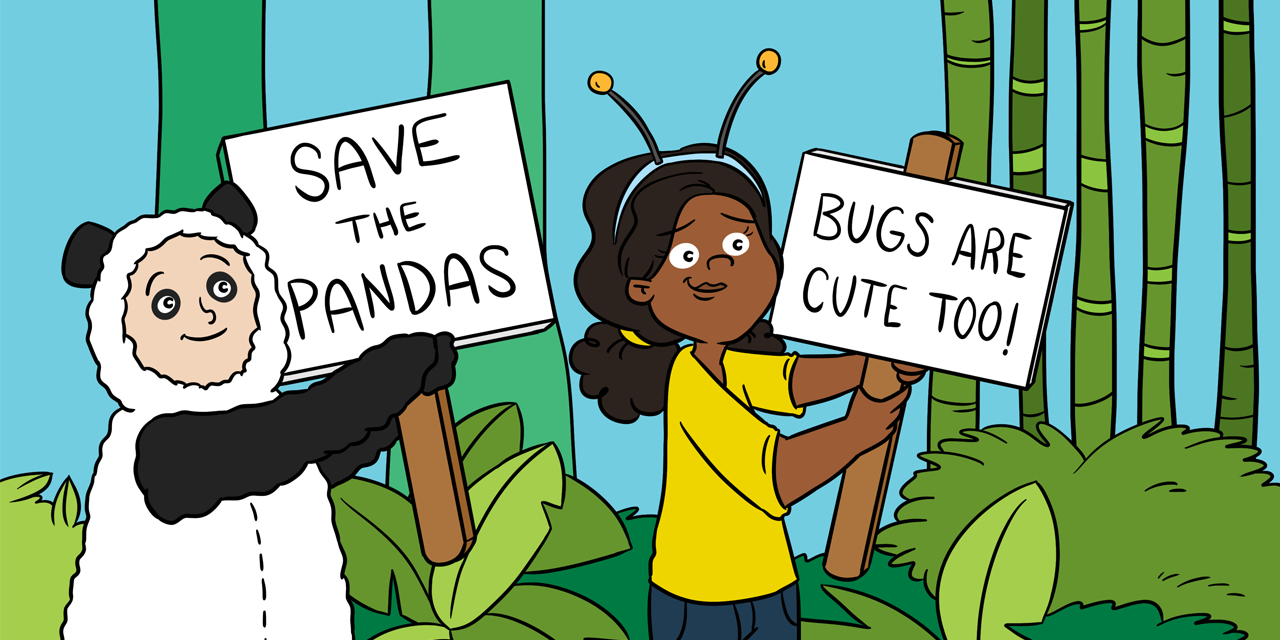
Because having a wide variety of species on earth is essential for human health and our economy, conservation areas have been established worldwide. These conservation efforts mostly focus on “beauties,” such as pandas or tigers. Many other species are not as charismatic and thus merely considered
2026-02-16 📄 View PDF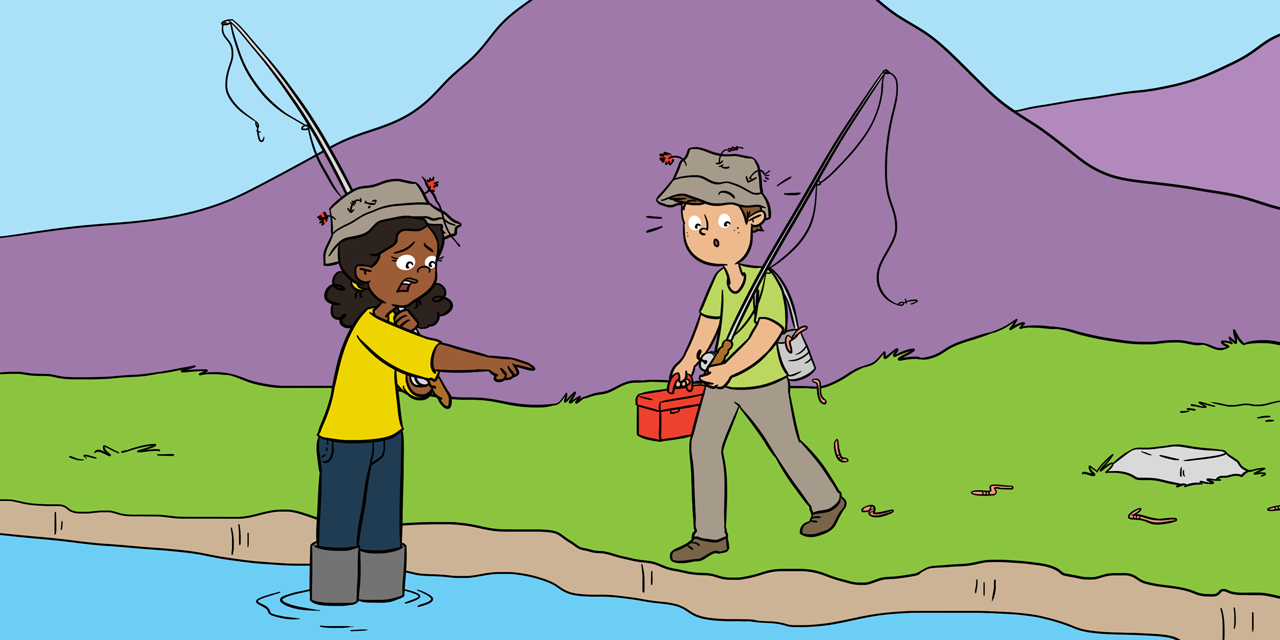
We all know earthworms as important friends in our garden: they help plants to grow better by providing nutrients, water, and air in the soil. However, in some cases, earthworms have more negative effects. This is because other organisms need to be used to the activities of earthworms to benefit
2026-02-16 📄 View PDF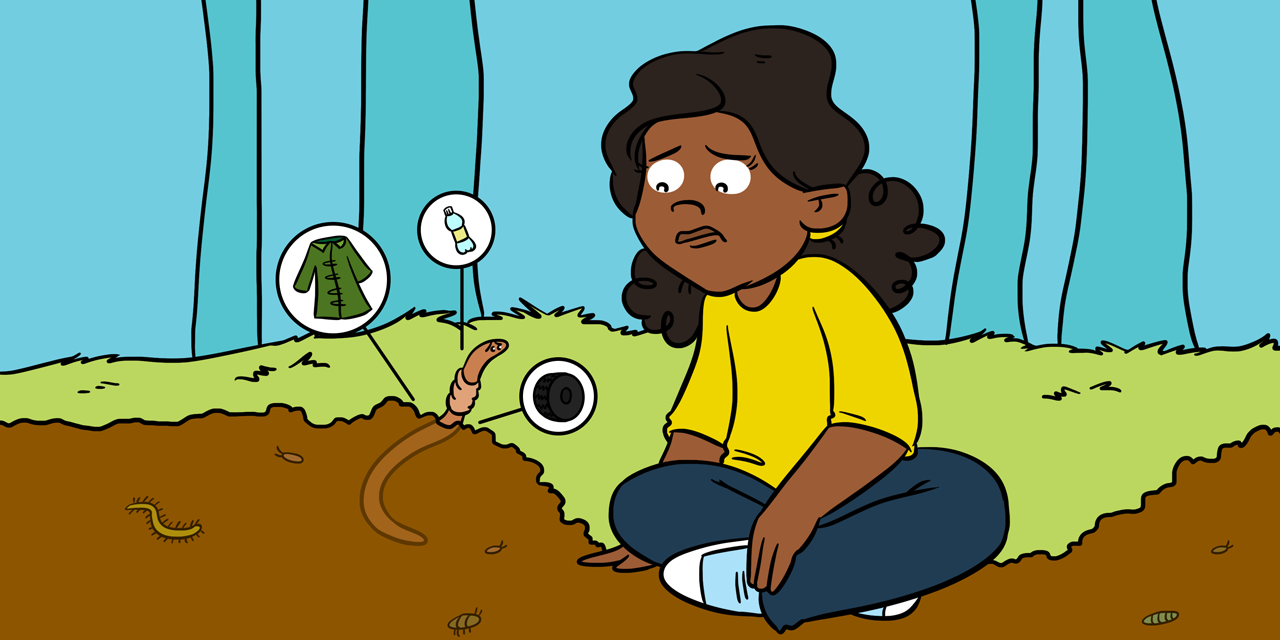
Small animals living in soils, called soil invertebrates, represent a very diverse group of soil inhabitants. They include earthworms, woodlice, spiders, springtails, mites, and some insects. Soil invertebrates feed on dead plants, on fungi and bacteria, or on other soil invertebrates. The many
2026-02-16 📄 View PDF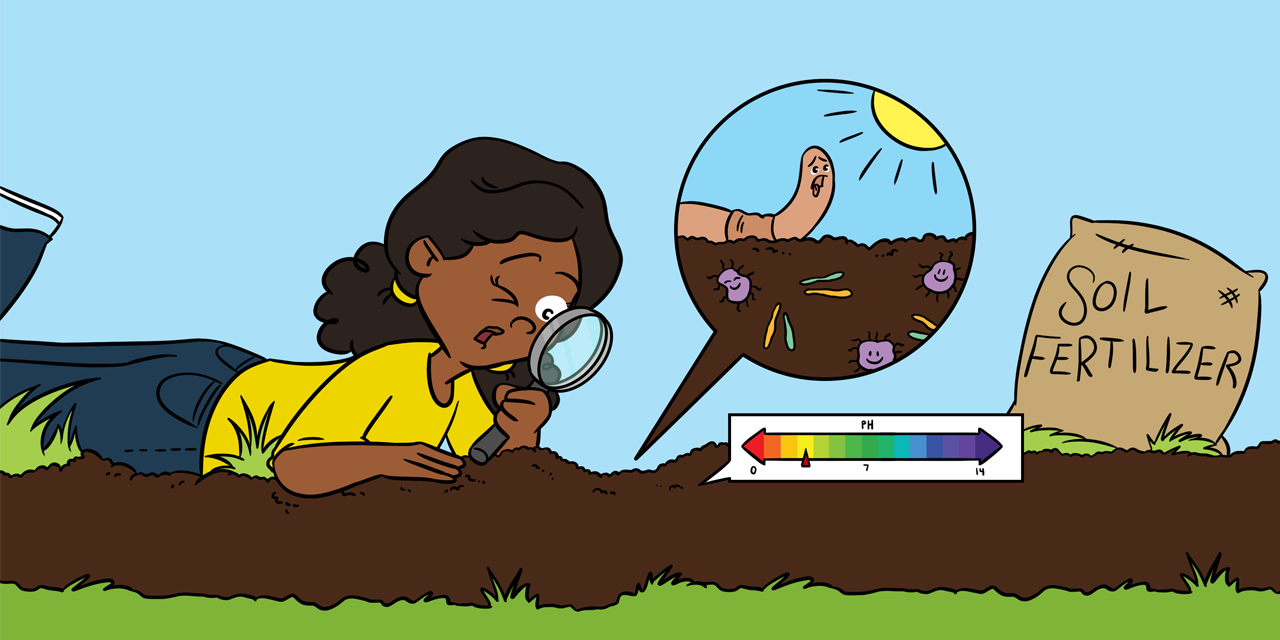
For the last two centuries, humans have been changing the Earth through their way of life. Our actions are not only causing climate change and leading to prolonged periods of drought, they are also leading to an overaccumulation of nutrients in soil, due to burning of fossil fuels and fertilization
2026-02-16 📄 View PDF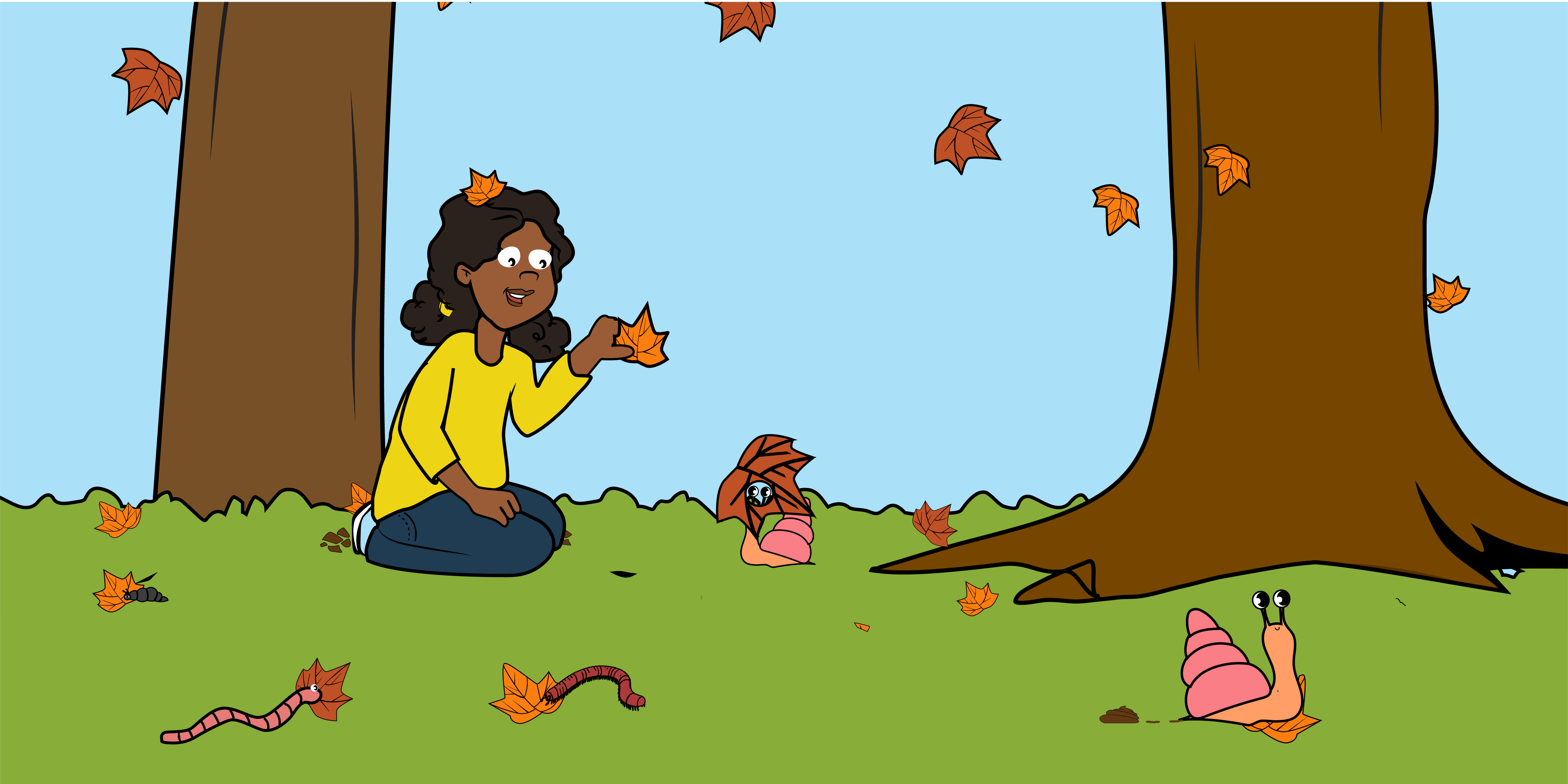
When plant leaves die, they fall and accumulate on the soil where an important process occurs: they decompose. Decomposition is essential for recycling nutrients and returning them to the soil. It is mainly done by an army of creatures called microbes, invisible to the naked eye, that slowly make
2026-02-16 📄 View PDF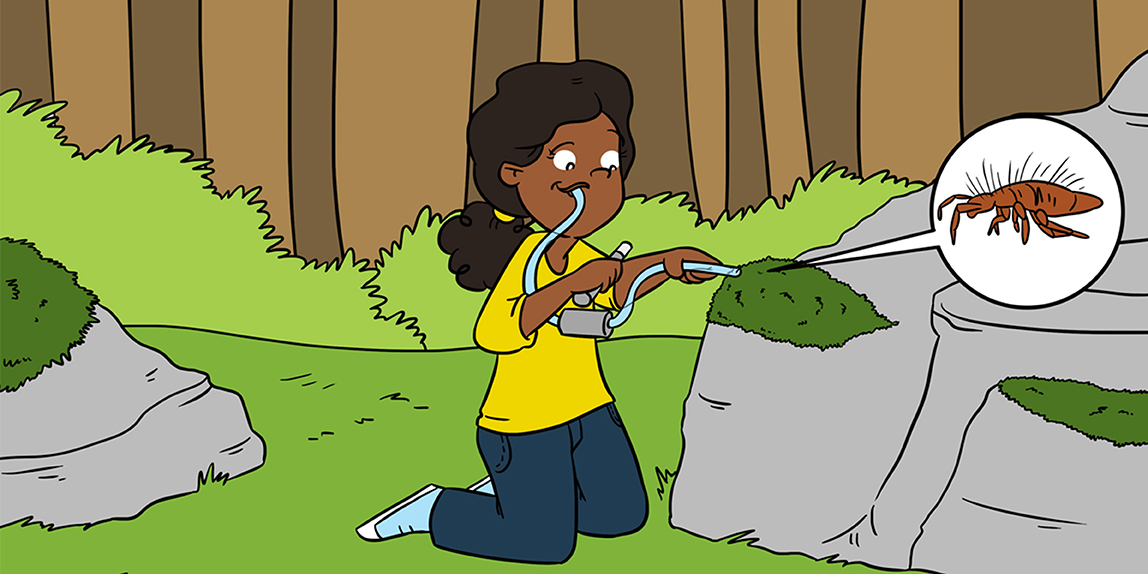
Springtails are tiny, six-legged animals that you meet every day, but hardly notice. They can survive in big cities, on ice in Antarctica, in the deepest caves, and in rainforest canopies. Some scientists call them the earliest known and the most numerous insects on Earth. Springtails are famous
2026-02-16 📄 View PDF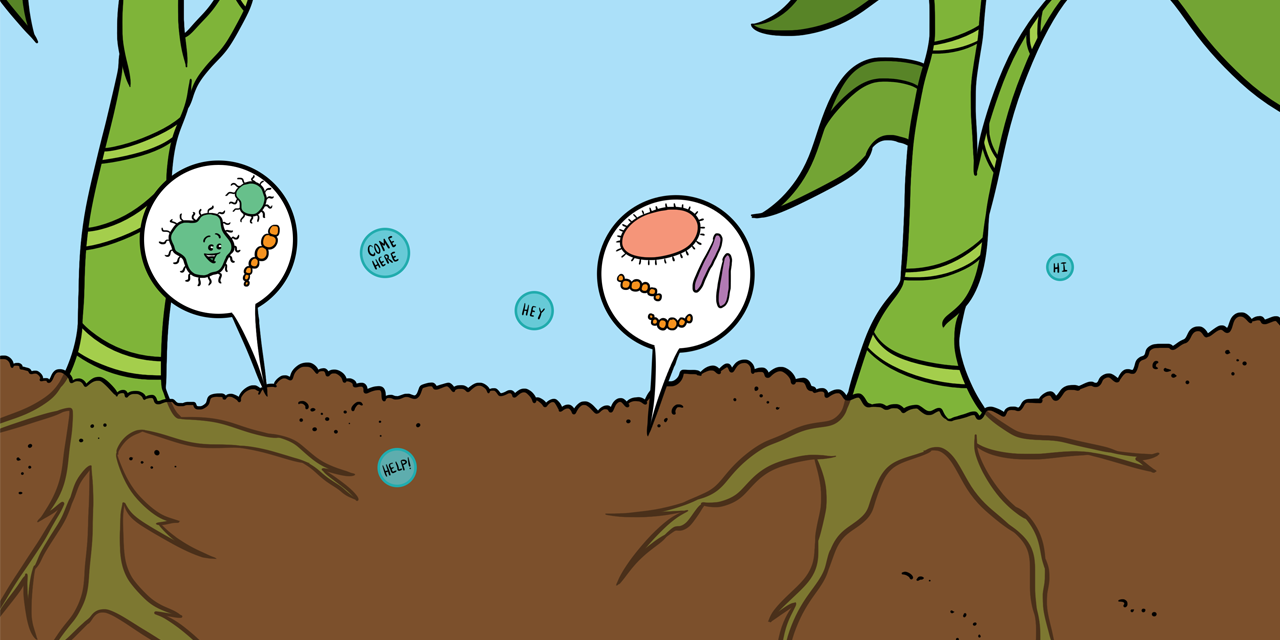
If you are a microbe in soil, how do you say something to your neighbors? Well, speaking English, French, or Italian would not do you any good underground. Instead, you would have to use molecules as words! Soil microbes like bacteria and fungi communicate with each other and with other organisms,
2026-02-16 📄 View PDF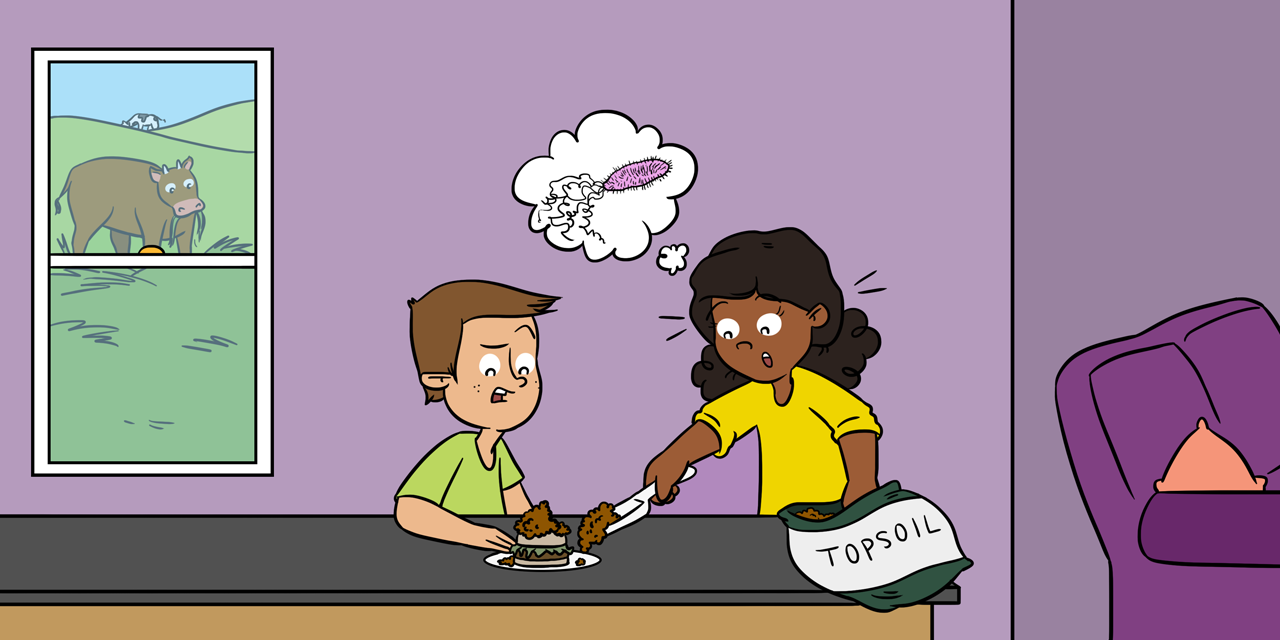
In 1993, an outbreak of the bacterium Escherichia coli made over 700 people ill across the United States. A special kind of E. coli, called strain O157:H7, inhabits the guts of cattle and spreads to water and compost through cow manure. The strain O157:H7 can survive for many months in the water or
2026-02-16 📄 View PDF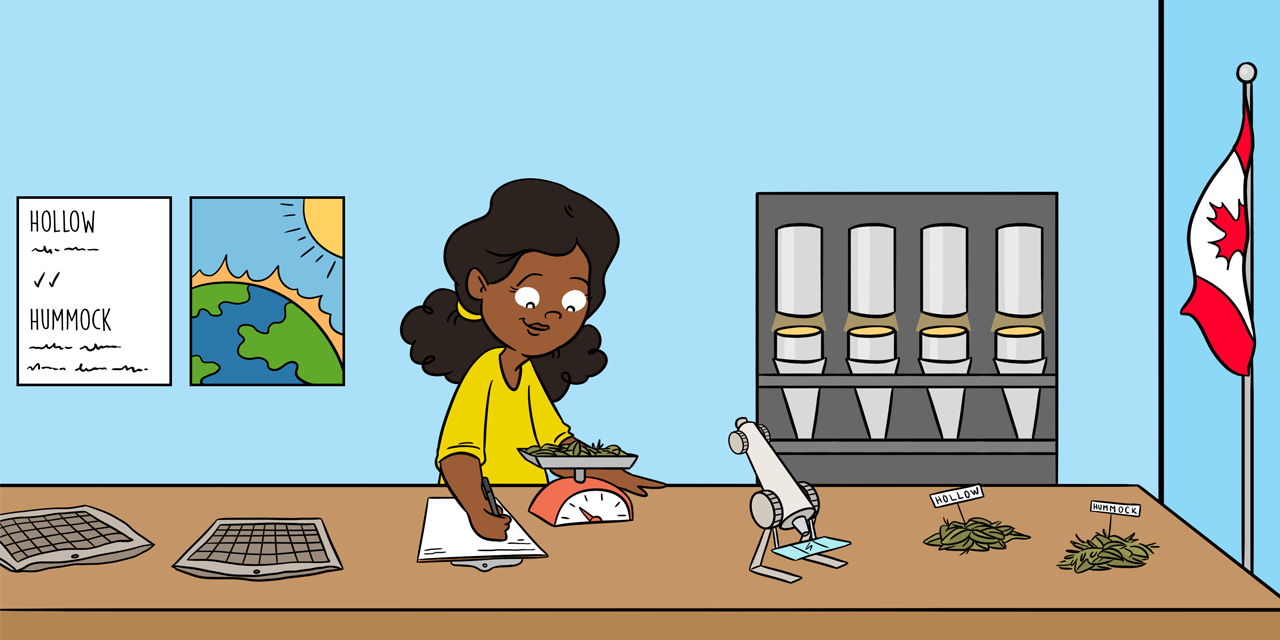
All soils store carbon. As plants grow, they take up carbon from the atmosphere and this carbon enters the soil when they die. This dead plant material slowly decomposes as organisms, such as bacteria, fungi, and tiny animals called mites and springtails use this carbon as a food source.
2026-02-16 📄 View PDF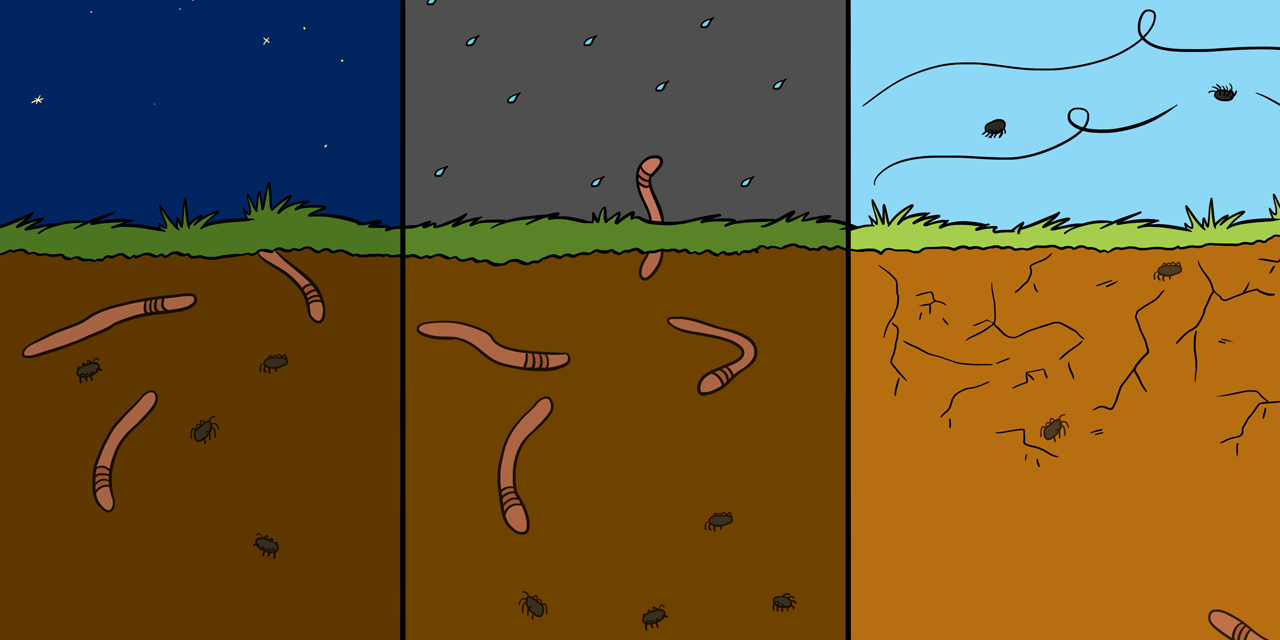
All the animals living below our feet are not still. They can move (to a lot of places because the soil is a 3D space) and to change (for example, from a cocoon to an active state). Therefore, the same soil below a given piece of field may not contain the same living communities in winter as in
2026-02-16 📄 View PDF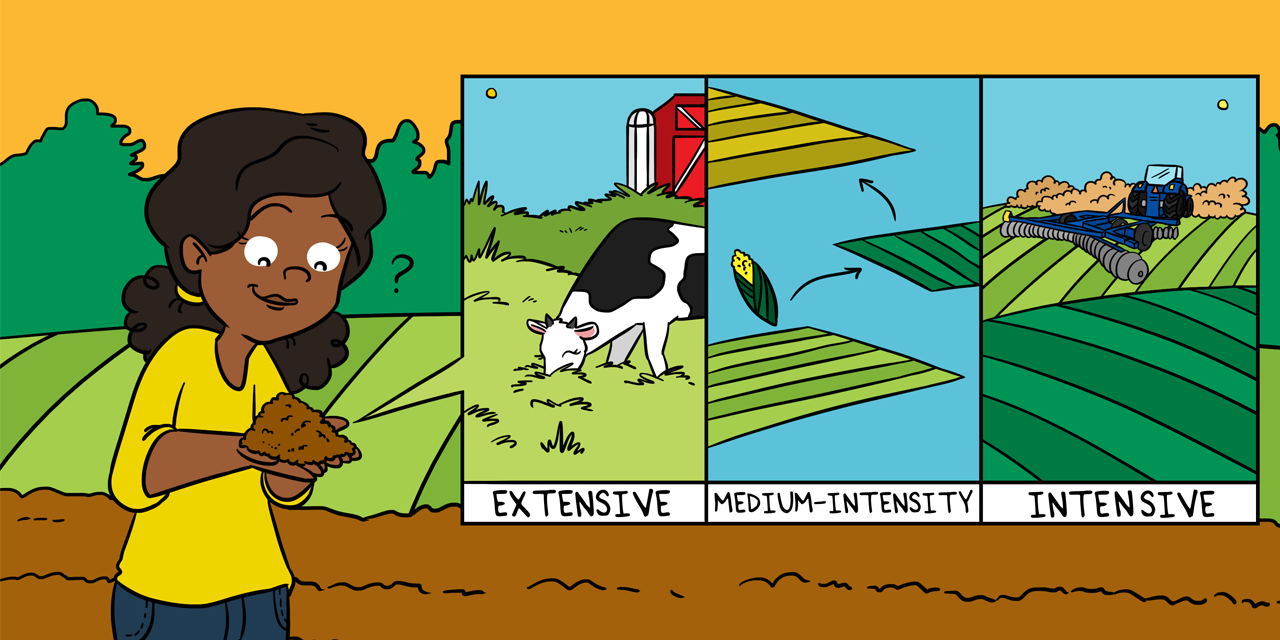
Humans use land to grow crops for food, and the farming methods we use can influence the organisms that live in the soil. Soil organisms do important work, like decomposing organic matter and releasing nutrients for plant growth. By adding more pesticides and fertilizers to farmland, we can produce
2026-02-16 📄 View PDF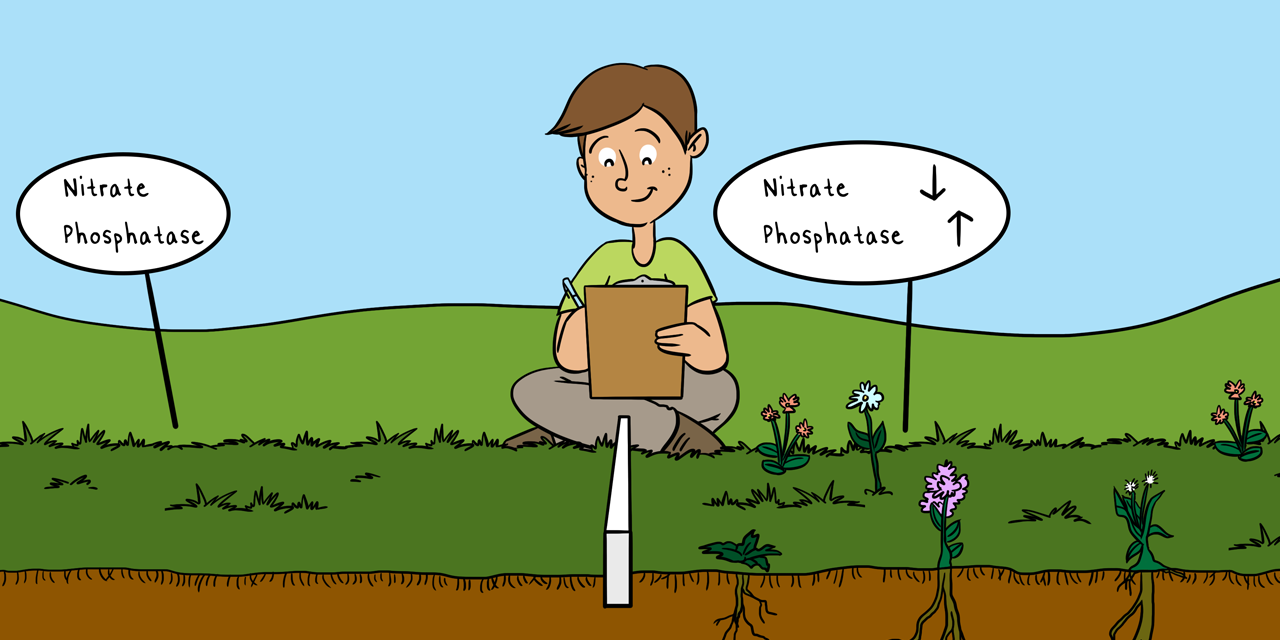
All living things, like humans, animals, plants, and even microbes, need to take up the same nutrient elements to live, most importantly nitrogen and phosphorus. Understanding the cycling of these elements through the ecosystem is one key to understanding why ecosystems work the way they do. One of
2026-02-16 📄 View PDF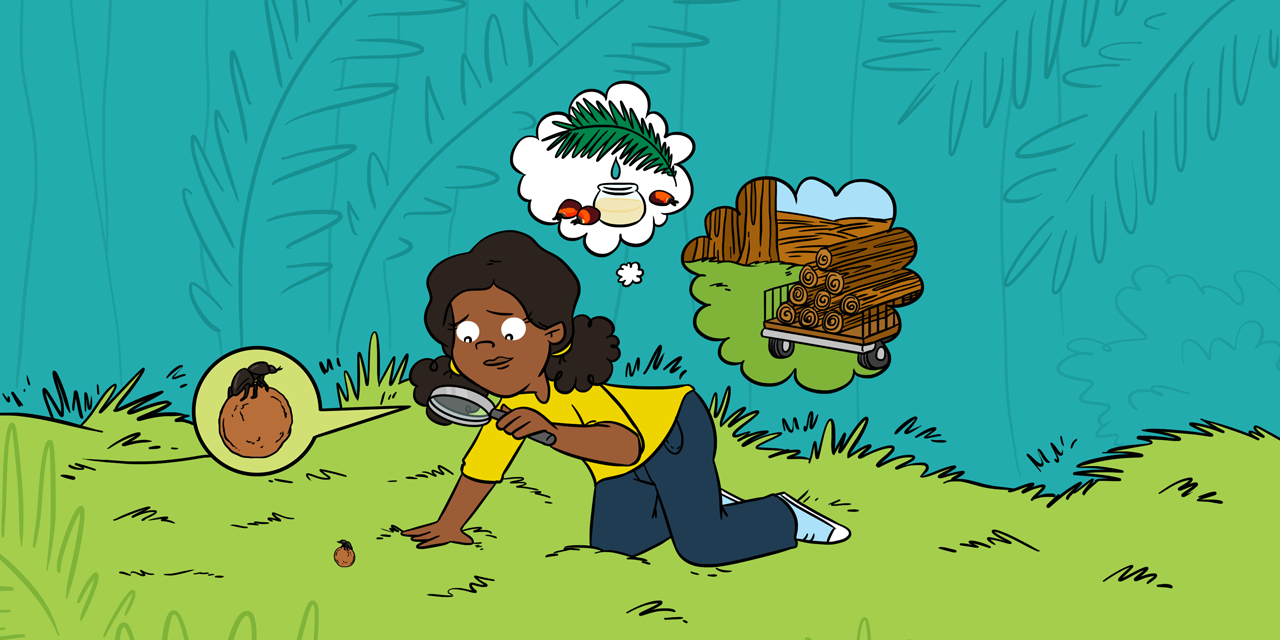
Dung beetles are a group of insects that primarily use the dung (poop) of mammals for feeding and nesting. These beetles are important for the breakdown and recycling of dung into the soil, enabling the nutrients in the dung to cycle through the ecosystem. Dung beetles provide many benefits for the
2026-02-16 📄 View PDF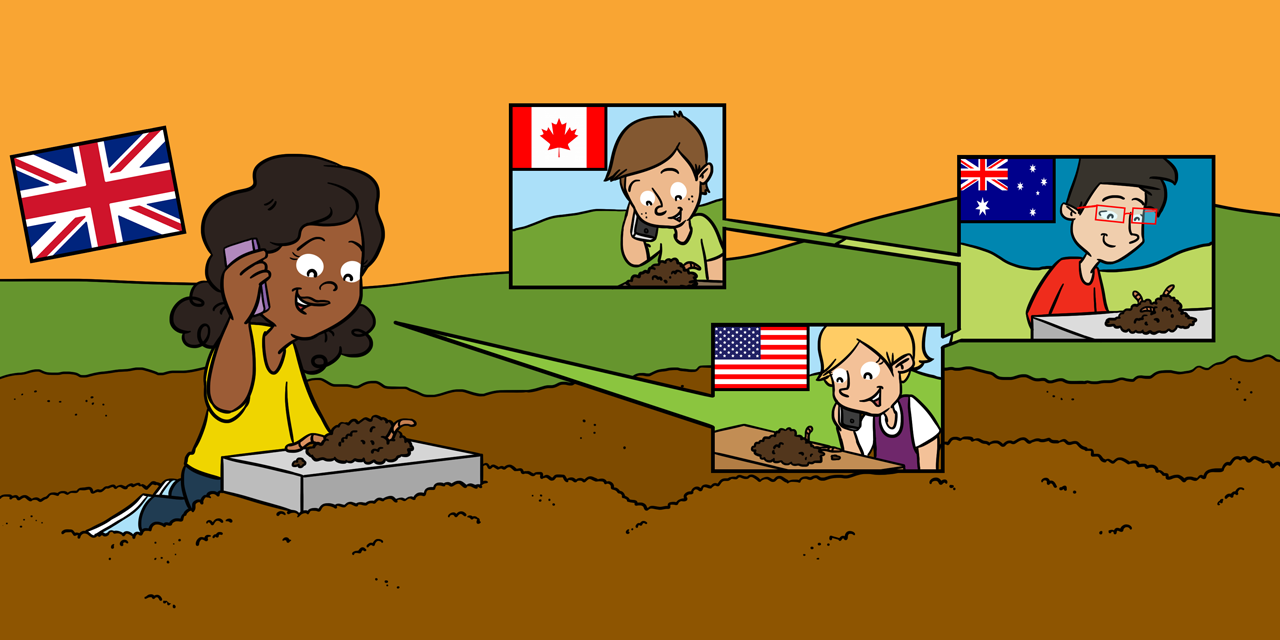
Have you ever wanted to conduct scientific research? Citizen, or community science involves non-scientists in assisting scientists with research. The term covers a huge variety of projects: from online-only where you can classify galaxies, to practical outdoor activities, and even helping with
2026-02-16 📄 View PDF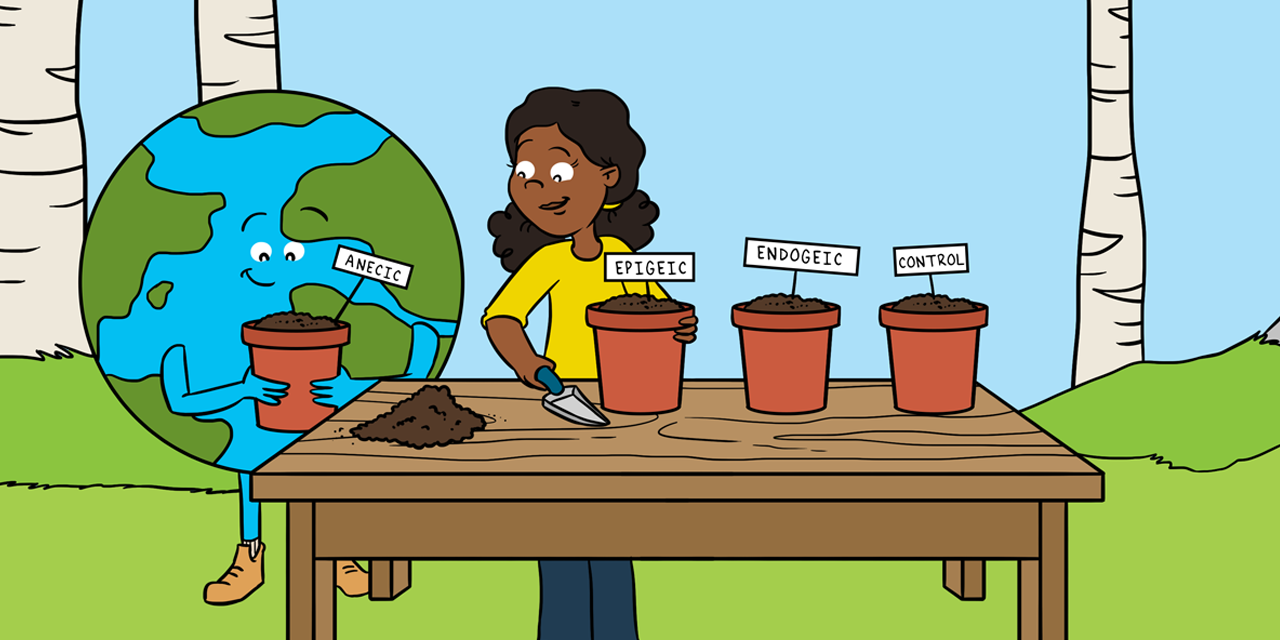
The mass of all earthworms living on our planet is greater than the mass of any other terrestrial animal species. There are over 7,000 species of earthworms, and they are involved in many processes that keep soils healthy and help plants to grow, which makes them extremely important organisms to
2026-02-16 📄 View PDF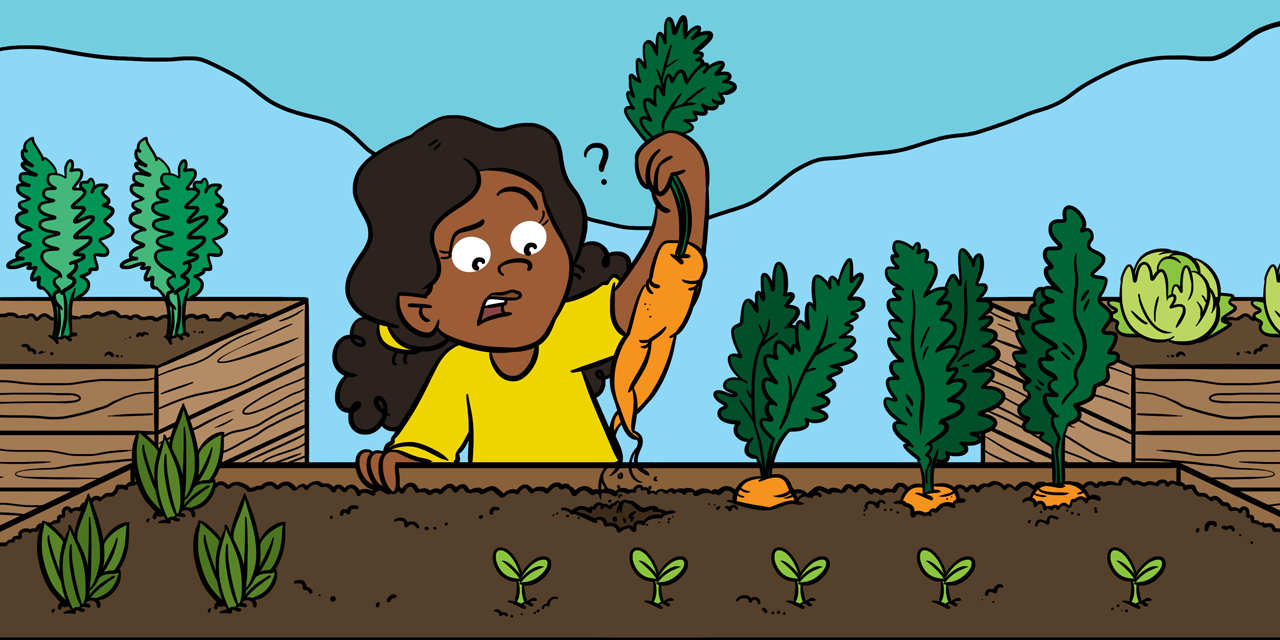
Plant roots interact with many bacteria, fungi, and microscopic organisms within the soil that can impact how well the plants grow. Some of these microscopic organisms are animals called nematodes, and they are an especially important part of the life in the soil. Nematodes can be good, bad, and
2026-02-16 📄 View PDF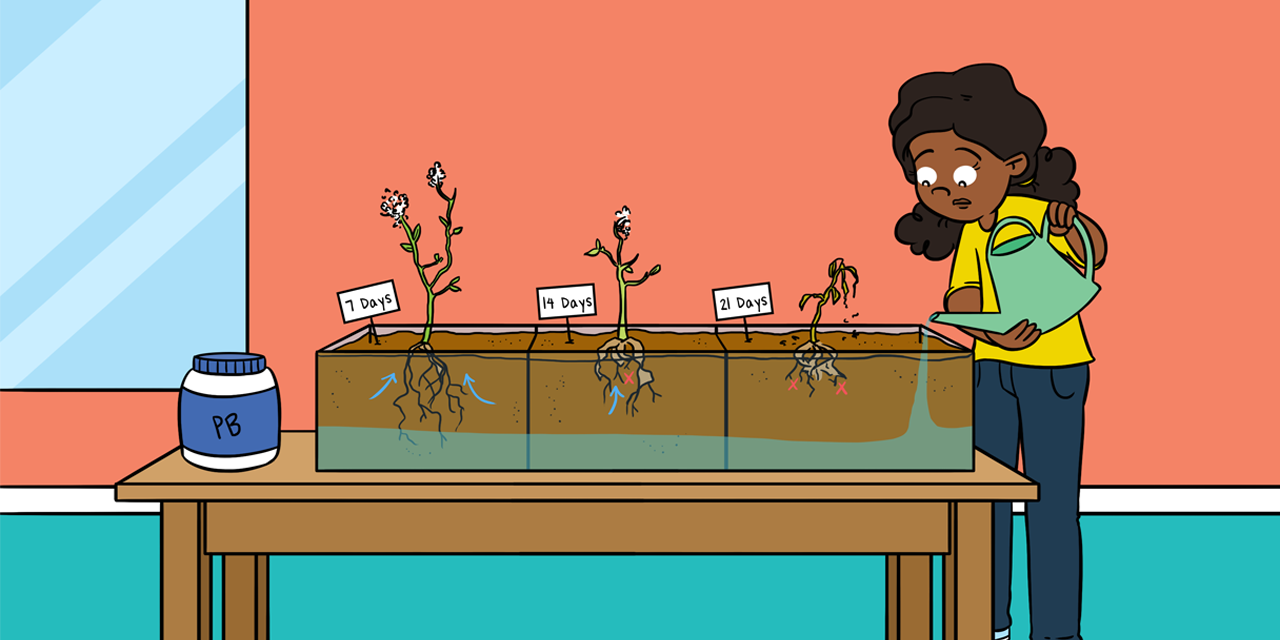
Among the millions of microorganisms inhabiting the soils, some can be plant pathogens, meaning they can become a disease to plants. Some diseases are more well-known than others. This is the case of clubroot, a very atypical microorganism that infects cruciferous plants, such as cabbage, kale,
2026-02-16 📄 View PDF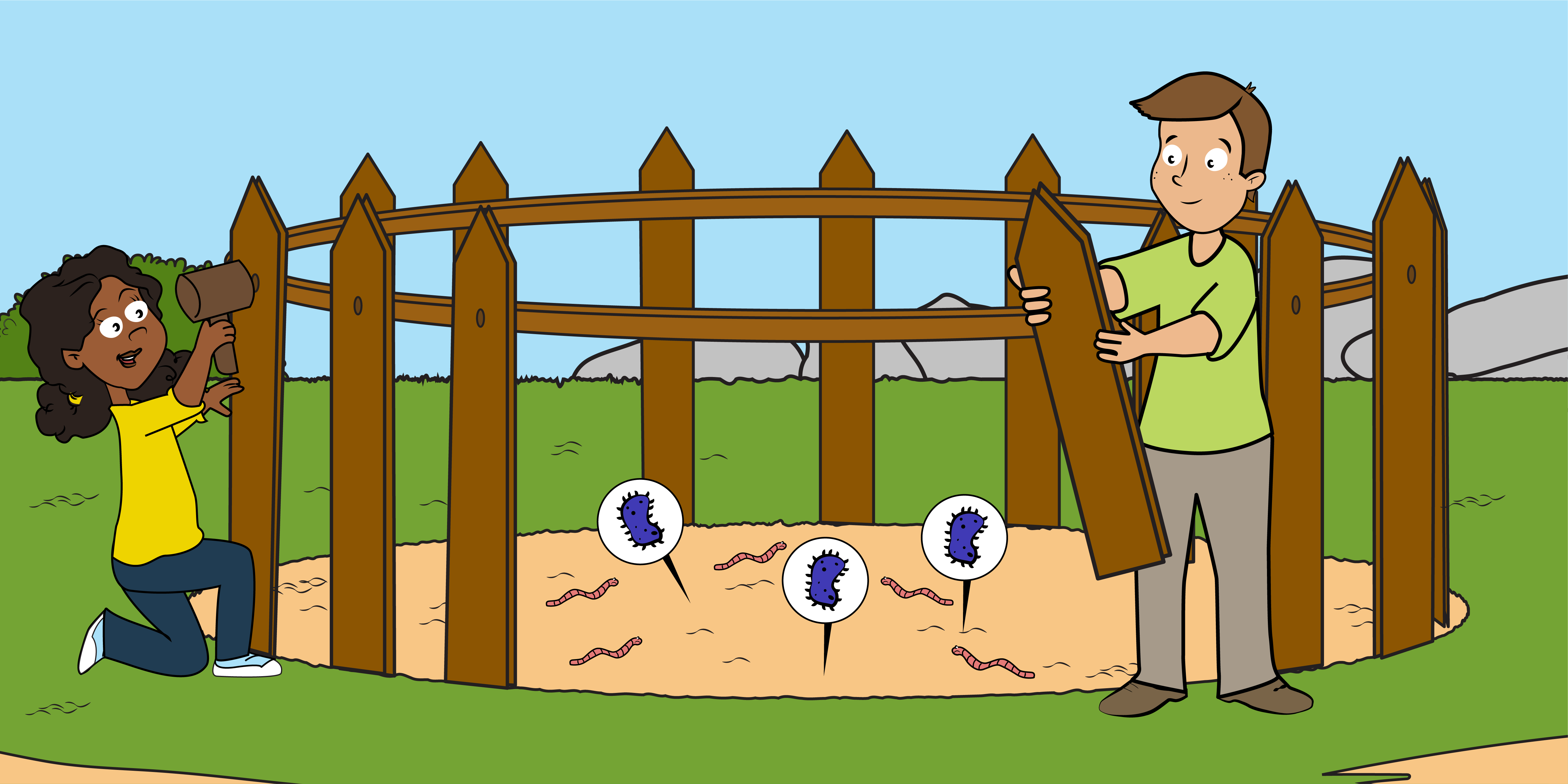
Soil biodiversity means the range of creatures, of various shapes and sizes, living in the soils—from microorganisms to animals. Soil diversity is extremely important and, to protect it, we need to know where potentially endangered soil organisms live. Unfortunately, we do not have data on the
2026-02-16 📄 View PDF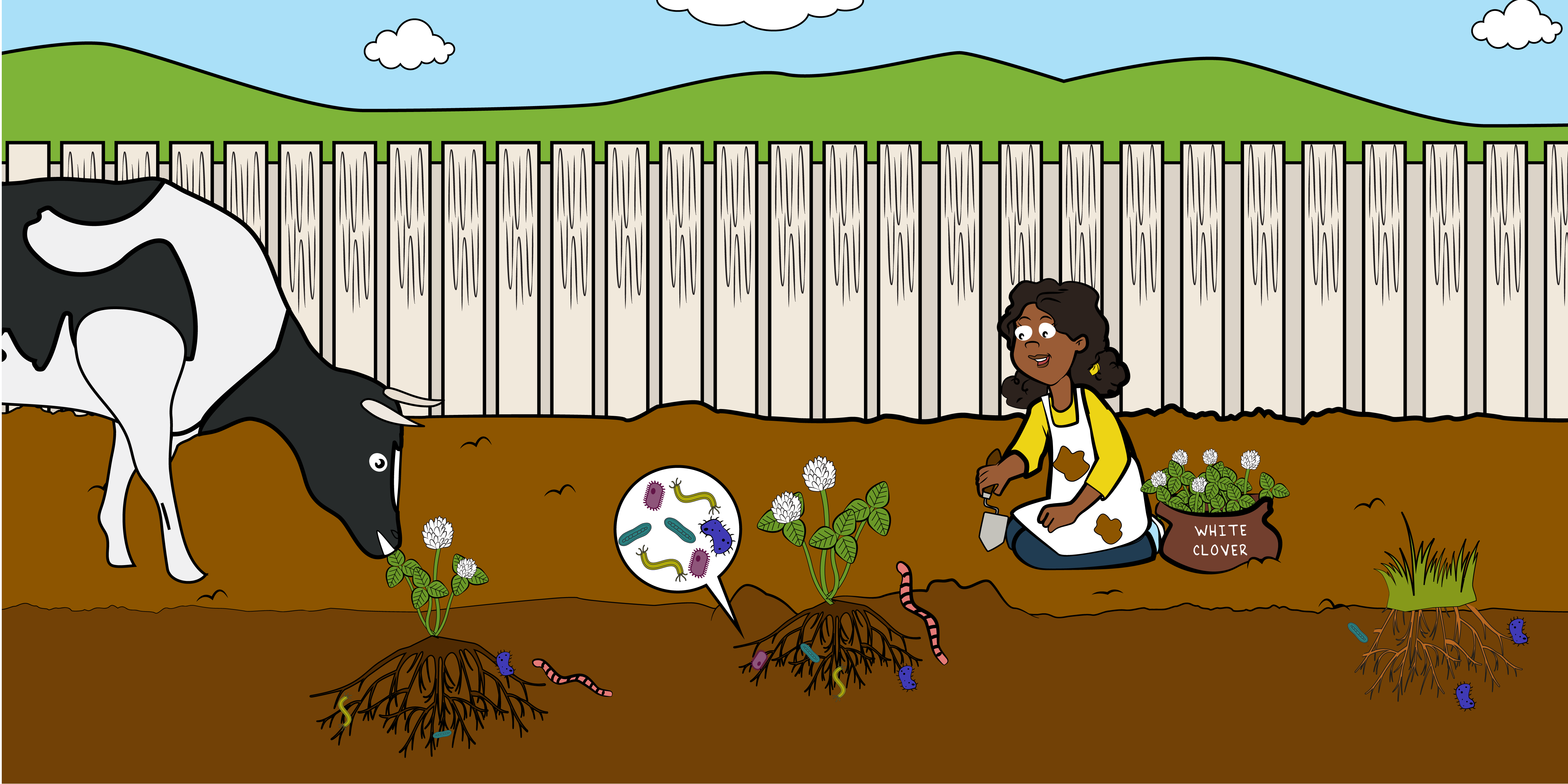
Cows and sheep eat plants known as forages. Forage plants can include grass, chicory, and clover. Forage plants vary in nutrients and tastiness. These plants can also change the ecosystem belowground for soil animals. Soil animals may move to eat or live beneath different forages. Earthworms mix up
2026-02-16 📄 View PDF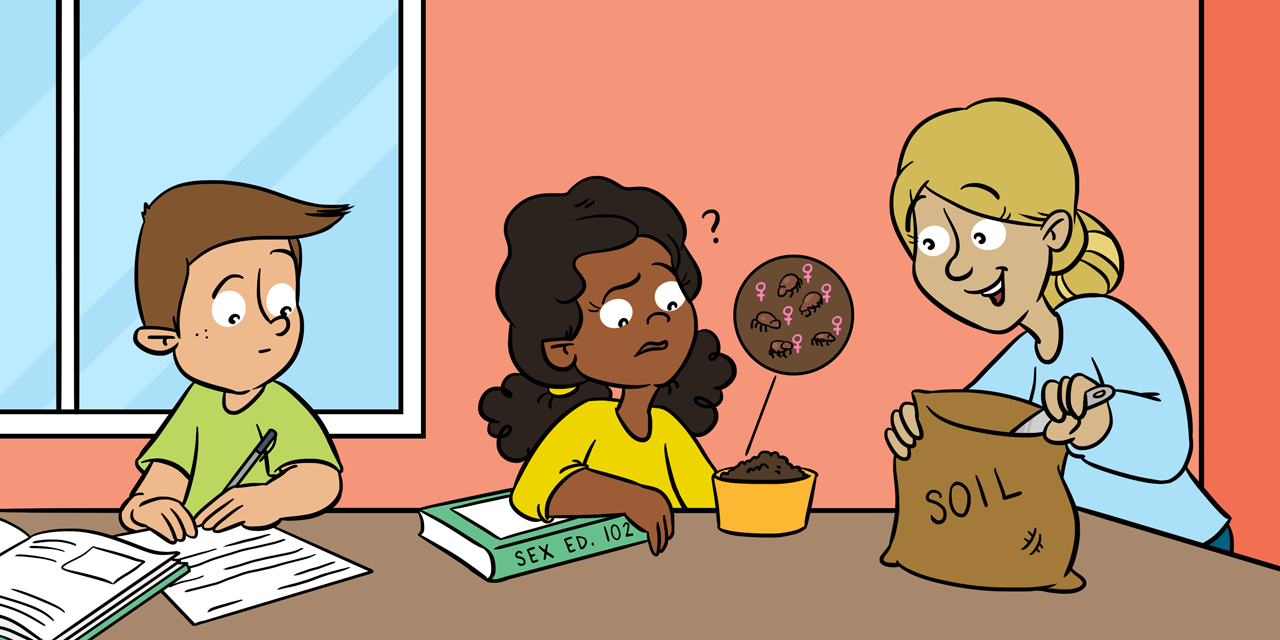
Finding a partner and having sex to produce babies is a common way to reproduce. Yet, upon closer look, we see that nature provides many ways for reproduction. What about a world without males? What first sounds impossible is the reality for many organisms that reproduce asexually, meaning without
2026-02-16 📄 View PDF
There is a multitude of life forms on our planet. This is especially true under our feet, in the soil. Earthworms, spiders, and millipedes are only a few examples of the vast number of soil organisms. Once you look what lives in soils, you realize the tremendous diversity of shapes and colors. But
2026-02-16 📄 View PDF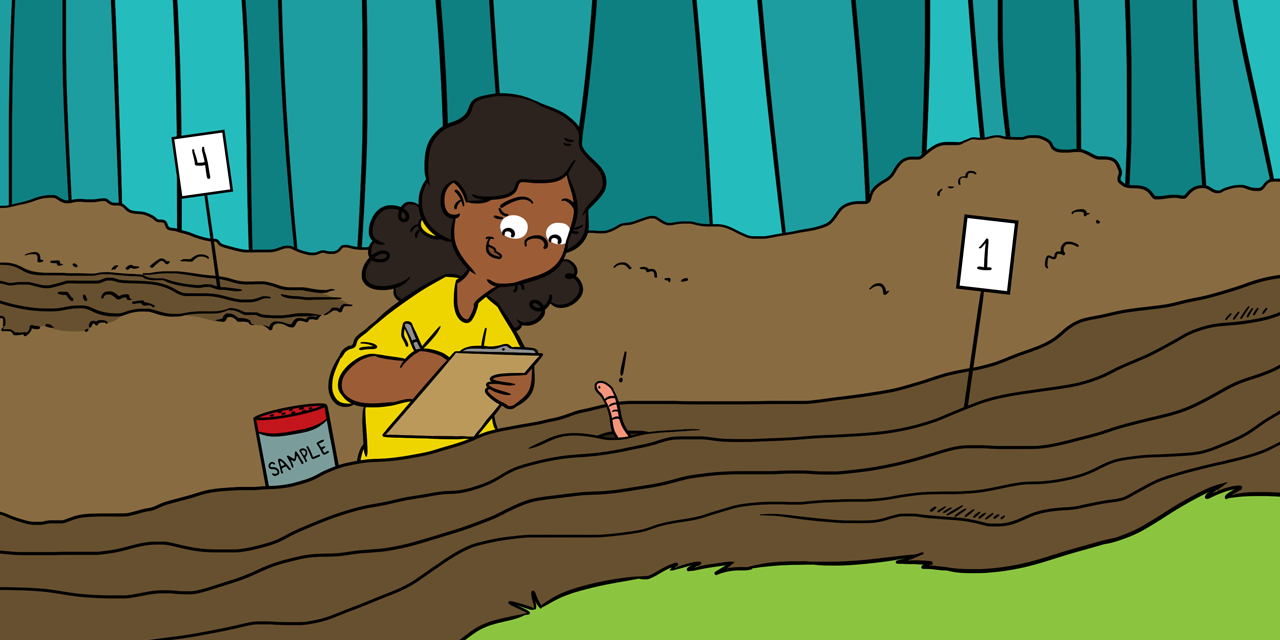
Fallen branches, logs, and tree stumps are a valuable habitat in forests, giving food and shelter to many organisms, including earthworms. Unfortunately, deadwood is often removed from forests because its value is not fully appreciated. We wanted to overcome this by developing a sampling method for
2026-02-16 📄 View PDF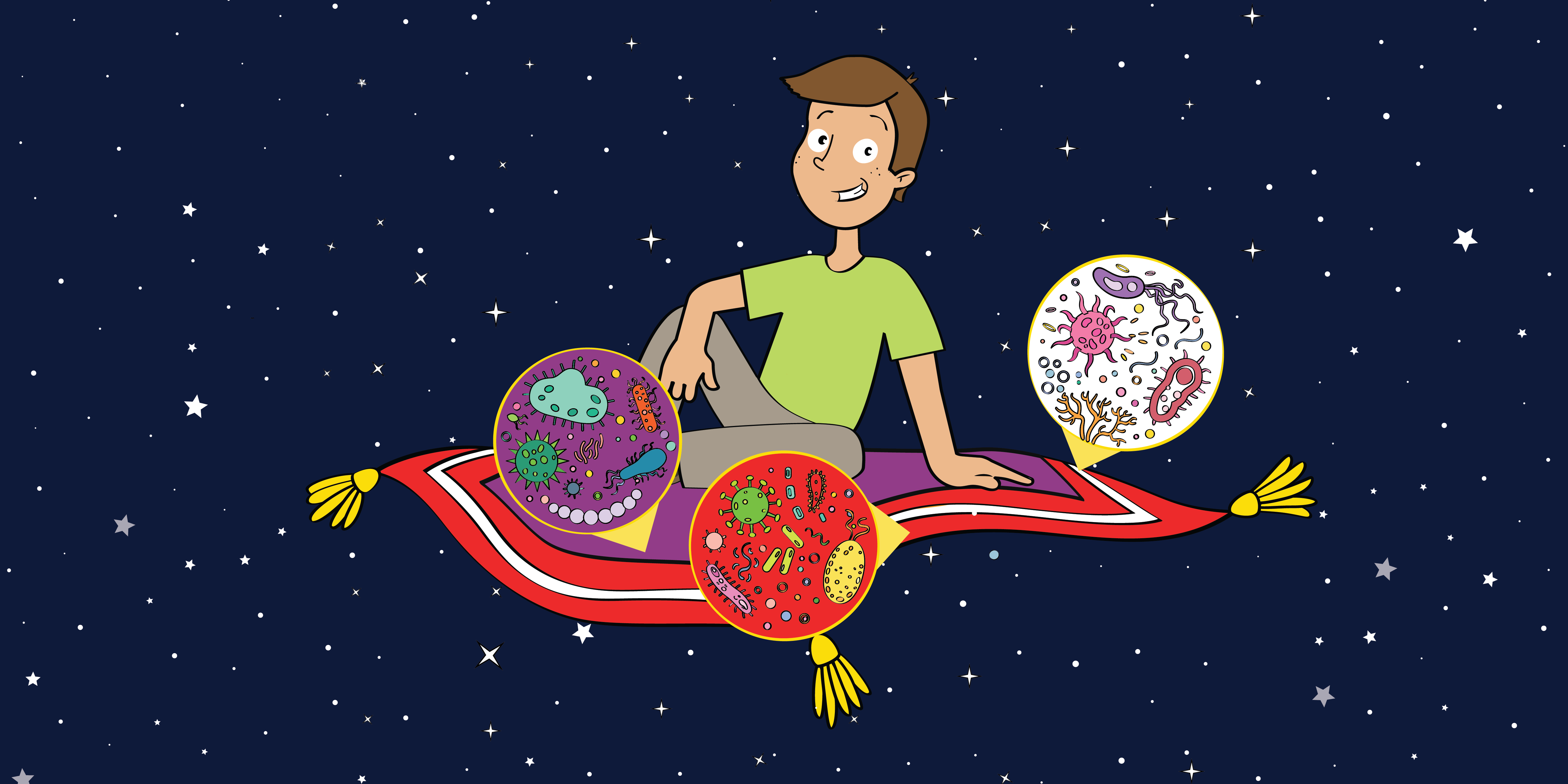
Some microscopic organisms grow together to build structures known as microbial mats. These mats are formed from several layers with different colors, and their structure depends on environmental conditions such as sunlight, humidity, and available food. Microbial mats are found in oceans, lakes,
2026-02-16 📄 View PDF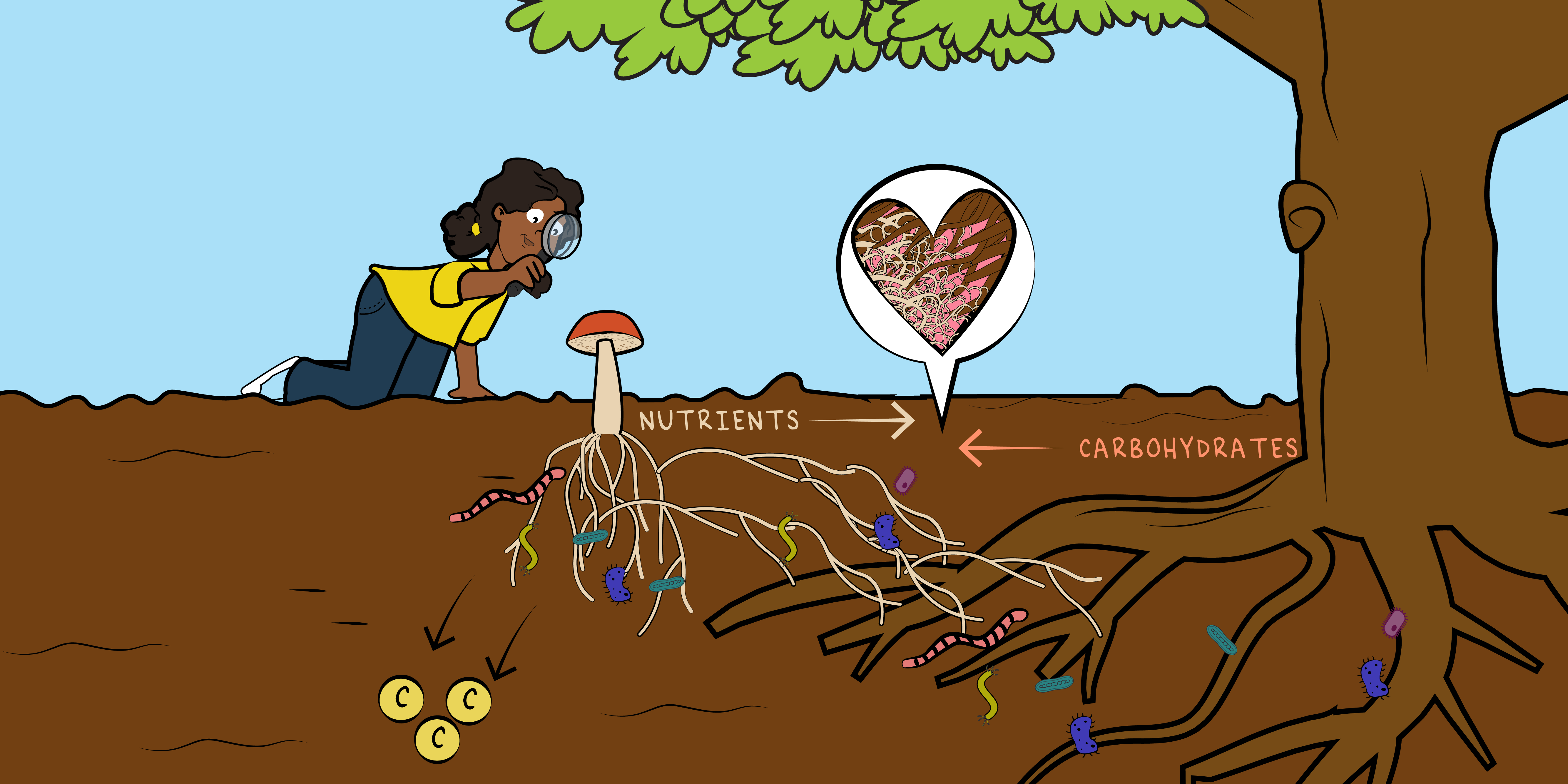
Ectomycorrhizal fungi are a type of fungi that develops a mutually beneficial relationship with plant roots. These fungi form ancient and extremely successful partnerships with forest trees worldwide. The trees and their associated fungi have developed a trading partnership: the fungi help the
2026-02-16 📄 View PDF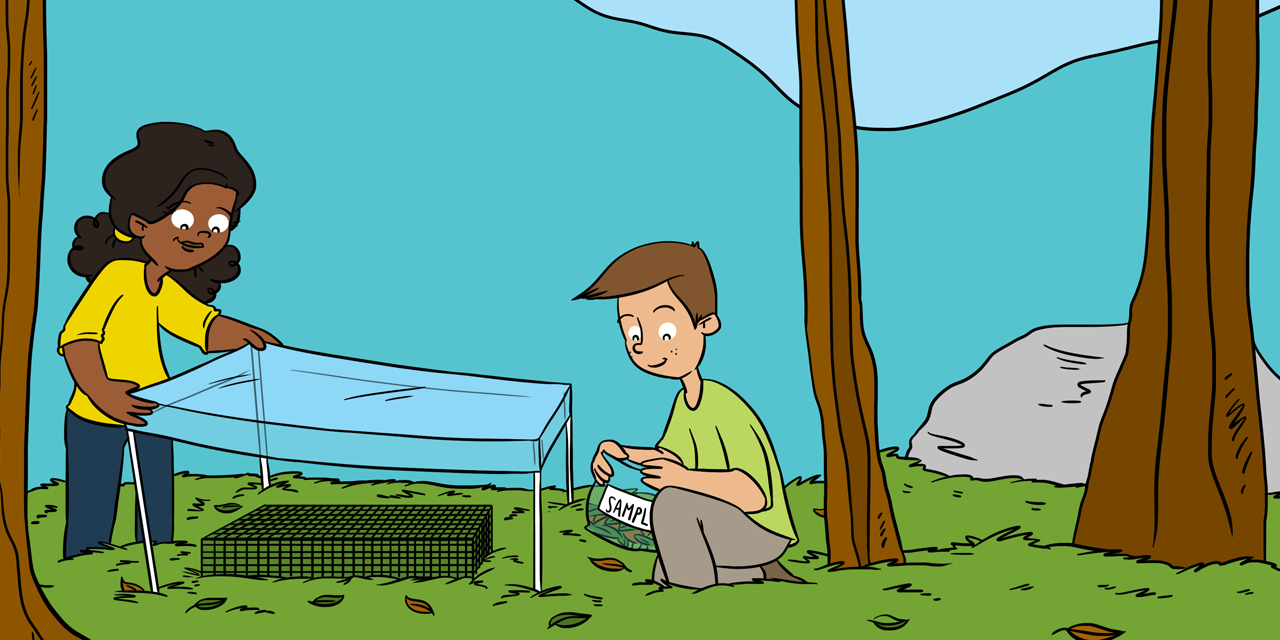
Hundreds of thousands of little creatures live in soils. Some eat live plants, live animals, or both. Others, called decomposers, consume dead plants, and the waste of other living beings (their feces and their dead bodies), and transform them into food for plants. The health of soils depends
2026-02-16 📄 View PDF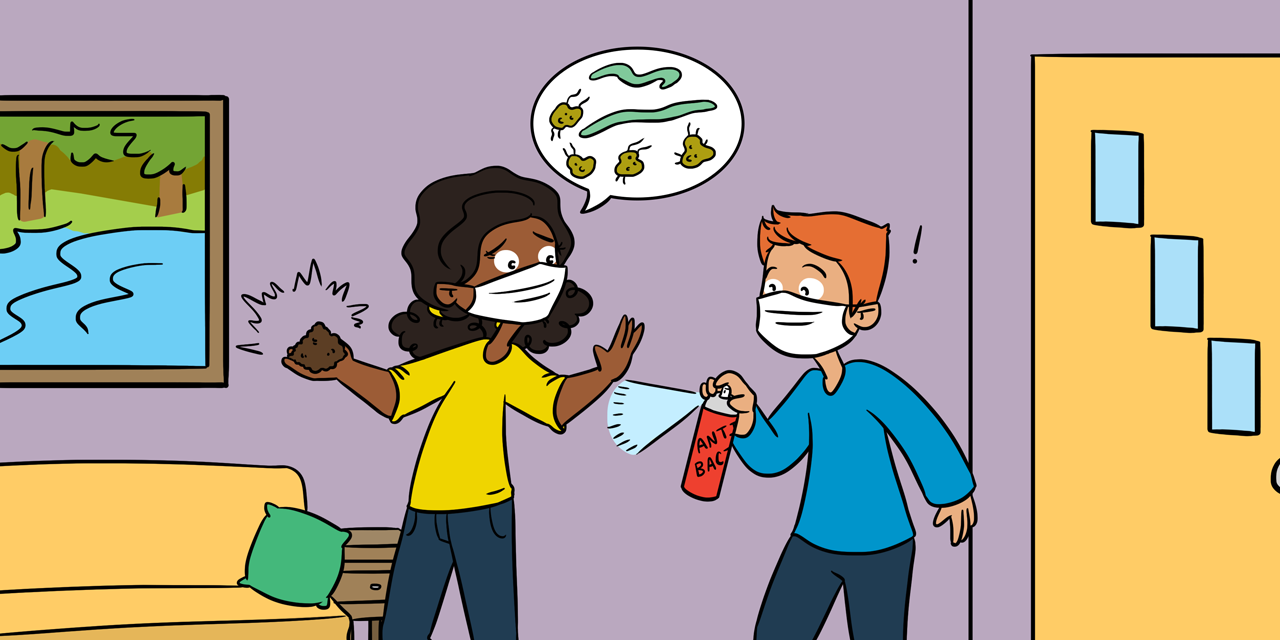
There are millions of species living in soils. Most of this biodiversity is made up of bacteria and fungi, tiny organisms that make up what is called the soil microbiome. The size and composition of the soil microbiome is mainly controlled by two groups of predators: protists and nematodes.
2026-02-16 📄 View PDF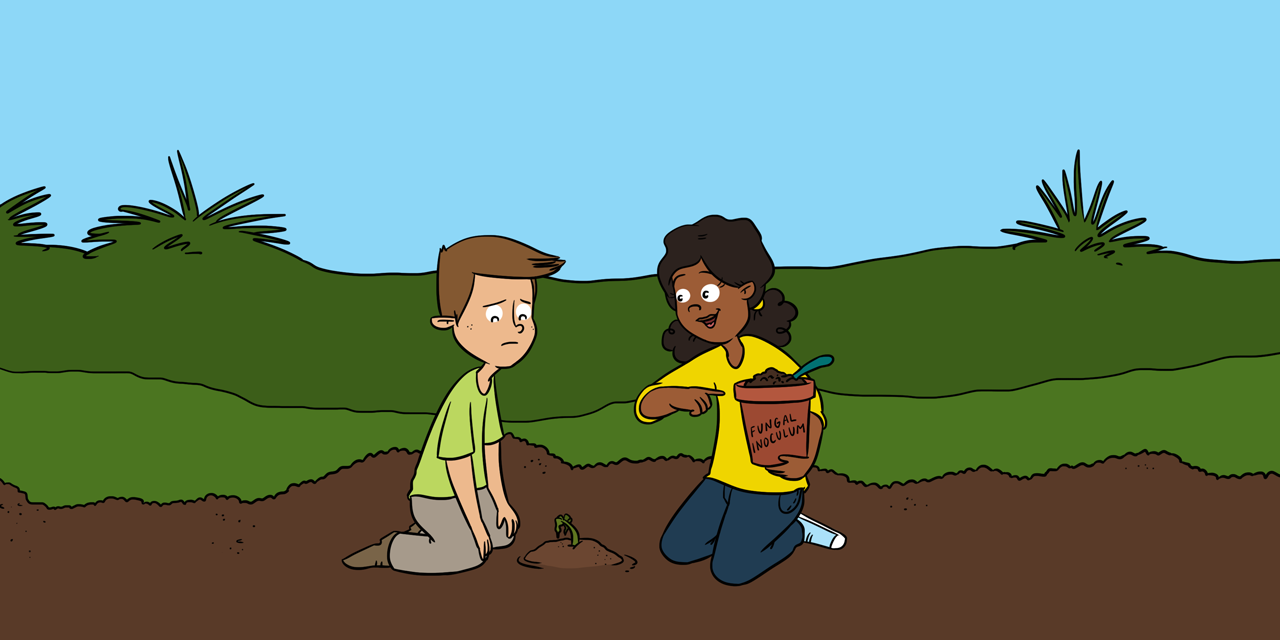
Like humans, plant and animal species have a specific type of place, called an ecosystem, where they prefer to live. If the ecosystem changes too much, some species will disappear, much the same way people avoid living in the desert because it is too hot and dry. Humans modify many ecosystems,
2026-02-16 📄 View PDF
Did you ever notice that dead leaves never accumulate in forests? For that service, we can thank a cleaning team of tiny recyclers living in the soil. Dead organisms are their food source, and they recycle them by just eating them. Knowing who eats what or whom in soils is essential to understand
2026-02-16 📄 View PDF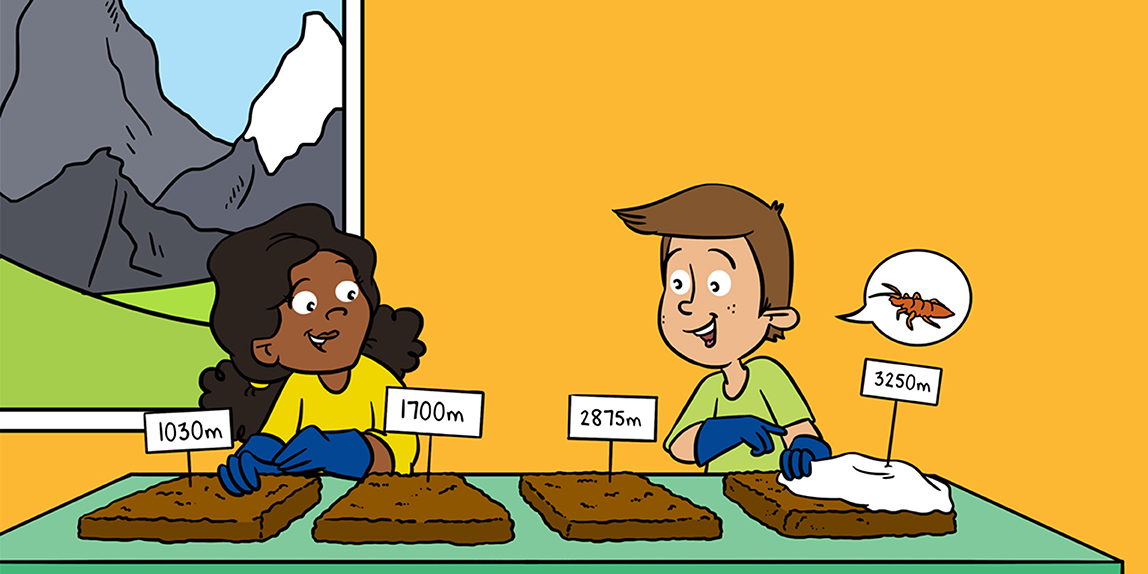
The soil beneath our feet still requires more exploration, although we know that it is home to a vast number of organisms. It is basically a black box we cannot see into to observe its inhabitants and the processes they contribute to. In this article, we will tell you about soils that are even less explored. We are talking about mountain soils at high elevation: they are not easily accessible but harbor many exciting species, some of which are specialized to live only in mountain soils. We are a
2026-02-16 📄 View PDF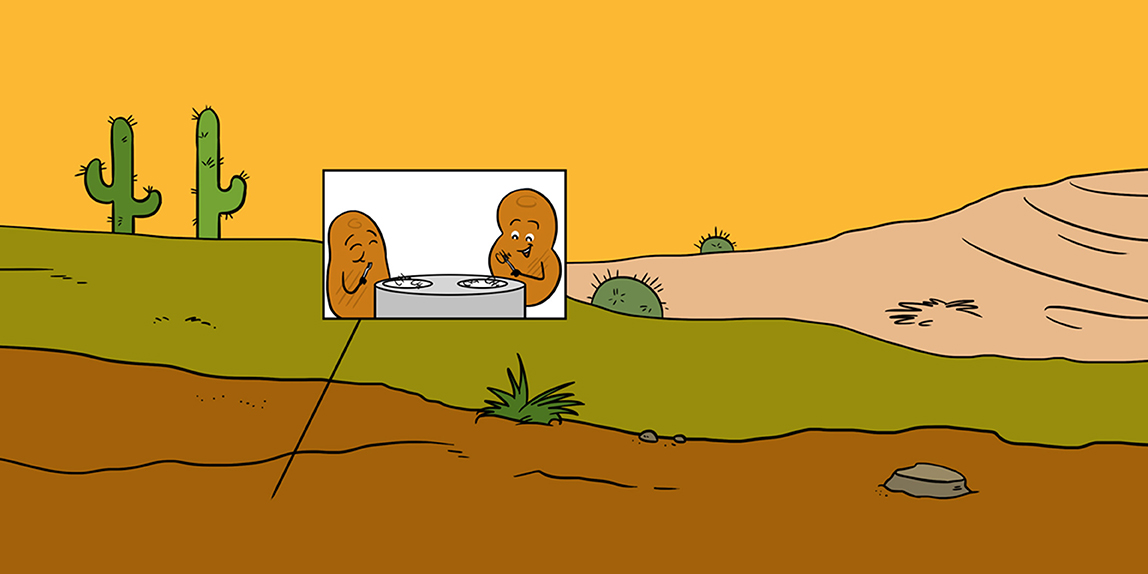
What is a dryland? The first thing that may come to your mind is a desert-like place where nothing can live or grow. Despite the scarcity of water, dryland ecosystems are diverse and will expand due to global climate change. The main cause of global warming is the increase of greenhouse gases in our atmosphere.
2026-02-16 📄 View PDF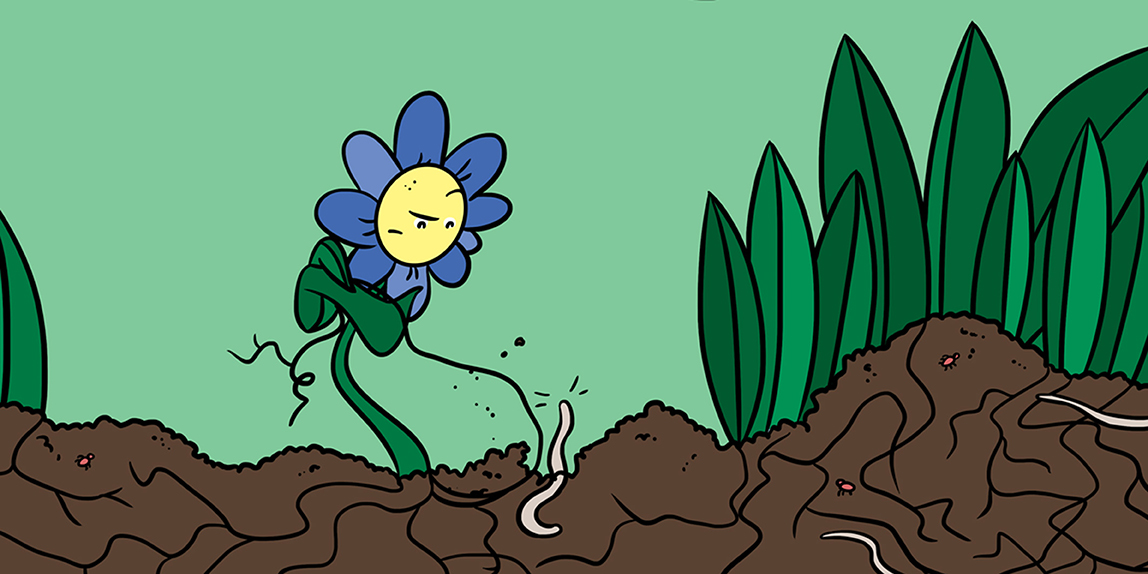
The belowground world is full of creatures that depend on plants as a food source. Belowground plant eaters, or herbivores, feed on roots and can cause considerable damage to plants. Roots are very important because they help plants take up water and nutrients from the soil. These are important resources that plants need for growth. To protect their roots, plants produce chemical defenses. The production of these defenses is costly because nutrients and energy used to make defenses cannot be use
2026-02-16 📄 View PDF